Preventing and Managing Bunions: What You Need to Know
- posted: Dec. 01, 2025
Dr. Steven Overpeck in Channahon and Joliet, IL, provides expert care for patients seeking to prevent or manage bunions, a common foot condition that can affect mobility, comfort, and quality of life. Understanding how bunions develop, recognizing early warning signs, and adopting effective strategies for prevention and management can help reduce pain and maintain foot function. Patient-centered guidance and individualized care at Dr. Overpeck’s offices support both immediate relief and long-term foot health.
Understanding Bunions and Their Causes
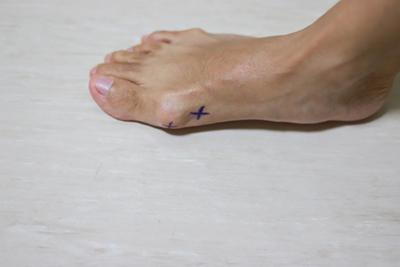
A bunion is a bony bump that forms at the base of the big toe, often causing the toe to lean toward the smaller toes. Over time, this misalignment can create discomfort, swelling, and difficulty wearing shoes. Bunions may develop due to genetic predisposition, structural foot differences, or repetitive stress from activities and footwear. High heels, narrow shoes, and prolonged pressure on the toes can accelerate bunion formation, making lifestyle awareness an important component of prevention.
Early recognition is key to minimizing progression. Symptoms such as redness, tenderness, and occasional pain during walking or standing may indicate the beginning stages of a bunion. Noticing these changes early allows for interventions that can slow development and reduce discomfort.
Prevention Strategies for Healthier Feet
Preventing bunions involves a combination of proper footwear, activity adjustments, and supportive care. Shoes with a wide toe box, adequate cushioning, and low heels reduce pressure on the toes and help maintain natural alignment. Maintaining a healthy weight and incorporating low-impact exercises can also decrease stress on the feet. In some cases, orthotic devices or splints are recommended to provide additional support and alleviate strain, supporting both comfort and structural integrity.
Managing Bunions Effectively
For existing bunions, conservative treatments aim to relieve pain, reduce inflammation, and improve function. Ice, anti-inflammatory medications, and padding can minimize discomfort, while physical therapy and stretching exercises strengthen surrounding muscles and improve mobility. In cases where bunions cause significant pain or interfere with daily activities, surgical options are available to correct alignment and restore foot function.
Dr. Steven Overpeck in Channahon and Joliet, IL, emphasizes individualized care, tailoring treatment plans to each patient’s anatomy, lifestyle, and goals. Thorough evaluation, clear communication, and ongoing support ensure that patients receive practical solutions that promote lasting relief and optimal foot health.
Residents seeking expert guidance for preventing or managing bunions can turn to Dr. Steven Overpeck in Channahon and Joliet, IL. To schedule an appointment and take the first step toward healthier, more comfortable feet, call the Joliet office at (815) 730-8200 or the Channahon office at (815) 290-5000 today.
- posted: Dec. 01, 2025
Dr. Steven Overpeck in Channahon and Joliet, IL, provides expert care for patients seeking to prevent or manage bunions, a common foot condition that can affect mobility, comfort, and quality of life. Understanding how bunions develop, recognizing early warning signs, and adopting effective strategies for prevention and management can help reduce pain and maintain foot function. Patient-centered guidance and individualized care at Dr. Overpeck’s offices support both immediate relief and long-term foot health.
Understanding Bunions and Their Causes
A bunion is a bony bump that forms at the base of the big toe, often causing the toe to lean toward the smaller toes. Over time, this misalignment can create discomfort, swelling, and difficulty wearing shoes. Bunions may develop due to genetic predisposition, structural foot differences, or repetitive stress from activities and footwear. High heels, narrow shoes, and prolonged pressure on the toes can accelerate bunion formation, making lifestyle awareness an important component of prevention.
Early recognition is key to minimizing progression. Symptoms such as redness, tenderness, and occasional pain during walking or standing may indicate the beginning stages of a bunion. Noticing these changes early allows for interventions that can slow development and reduce discomfort.
Prevention Strategies for Healthier Feet
Preventing bunions involves a combination of proper footwear, activity adjustments, and supportive care. Shoes with a wide toe box, adequate cushioning, and low heels reduce pressure on the toes and help maintain natural alignment. Maintaining a healthy weight and incorporating low-impact exercises can also decrease stress on the feet. In some cases, orthotic devices or splints are recommended to provide additional support and alleviate strain, supporting both comfort and structural integrity.
Managing Bunions Effectively
For existing bunions, conservative treatments aim to relieve pain, reduce inflammation, and improve function. Ice, anti-inflammatory medications, and padding can minimize discomfort, while physical therapy and stretching exercises strengthen surrounding muscles and improve mobility. In cases where bunions cause significant pain or interfere with daily activities, surgical options are available to correct alignment and restore foot function.
Dr. Steven Overpeck in Channahon and Joliet, IL, emphasizes individualized care, tailoring treatment plans to each patient’s anatomy, lifestyle, and goals. Thorough evaluation, clear communication, and ongoing support ensure that patients receive practical solutions that promote lasting relief and optimal foot health.
Residents seeking expert guidance for preventing or managing bunions can turn to Dr. Steven Overpeck in Channahon and Joliet, IL. To schedule an appointment and take the first step toward healthier, more comfortable feet, call the Joliet office at (815) 730-8200 or the Channahon office at (815) 290-5000 today.
Our Locations
Joliet, IL - Office
1100 Essington Road,
60435
Contact Us

1100 Essington Road, Suite #2, Joliet, IL, 60435, US
25520 S. Pheasant Lane, Suite K, Channahon, IL, 60410, US
